Understanding Infographics Banners: The Power of Visual Communication
Infographics banners have become a cornerstone of modern visual communication. Whether you're browsing a website, scrolling through social media, or attending a conference, you've likely encountered these visually engaging tools. But what exactly are infographics banners, and why are they so effective? In this article, we’ll explore the purpose, significance, and practical applications of infographics banners, focusing on their file formats—EPS and JPG—and how they contribute to clear, impactful messaging in today’s digital world.
What Are Infographics Banners?
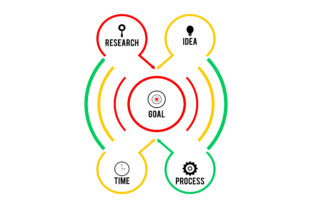
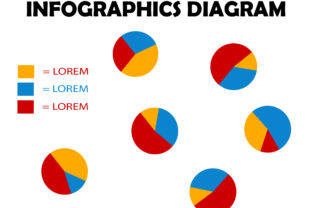
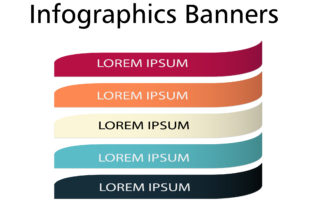
Infographics banners are large-scale visual representations of information, data, or knowledge. They are designed to present complex ideas in a simple, visually appealing way. These banners combine text, icons, charts, and images to convey messages quickly and effectively. Unlike traditional posters, infographics banners are structured to guide the viewer’s eye through a logical flow of information, making them ideal for educational, promotional, and explanatory purposes.
Key Components of Infographics Banners
- Visual hierarchy: Ensures that the most important information is seen first.
- Color schemes: Used strategically to enhance readability and emotional impact.
- Icons and illustrations: Simplify abstract concepts and add visual interest.
- Minimal text: Focuses on clarity and conciseness to avoid overwhelming the viewer.
Why Infographics Banners Matter
In a world where attention spans are shrinking and information overload is common, infographics banners offer a solution. They allow creators to communicate complex data in a digestible format. Whether it's for a business presentation, educational material, or marketing campaign, these banners help audiences grasp ideas quickly and retain them longer.
According to research, people remember only 10% of information three days after hearing it, but when paired with visuals, that retention rate jumps to 65%. This makes infographics banners not just useful, but essential in today’s fast-paced communication landscape.
Applications Across Industries
- Education: Teachers use infographics banners to explain historical timelines, scientific processes, and mathematical formulas in a visually engaging way.
- Healthcare: Hospitals use them to explain procedures, promote wellness, and inform patients about treatments.
- Business: Companies use infographics banners to present financial reports, market trends, and product features.
- Marketing: Brands use them on social media and websites to attract attention and simplify complex offers.
File Formats: EPS vs. JPG
When creating or downloading infographics banners, it’s important to understand the different file formats available. Two of the most common formats are EPS and JPG. Each has its own advantages and is suited to specific uses.
EPS (Encapsulated PostScript)
EPS files are vector-based graphics, meaning they use mathematical equations to create images. This makes them scalable without losing quality, which is crucial for large banners or posters.
- Pros: High quality, scalable, editable in design software like Adobe Illustrator.
- Cons: Larger file size, may not be viewable without special software.
- Best for: Professional printing, large-format banners, logos, and illustrations.
JPG (Joint Photographic Experts Group)
JPG files are raster-based, made up of pixels. They are ideal for photographs and complex color gradients but lose quality when scaled up.
- Pros: Smaller file size, compatible with most devices and software.
- Cons: Lossy compression, not ideal for scaling.
- Best for: Web use, digital displays, and small-scale printing.
How to Choose the Right Format for Your Infographics Banner
Choosing between EPS and JPG depends on your intended use. If you need a high-quality print for a conference or exhibition, EPS is the better choice. If you're planning to share your banner online or use it on a digital screen, JPG is more practical and widely supported.
It's also common to download both formats if available. For example, you might use the EPS file for printing and convert it to JPG for online use. Many design platforms allow you to export infographics banners in multiple formats to suit different needs.
Download Tips for Infographics Banners
- Check the resolution: For JPG files, aim for at least 300 DPI for print and 72 DPI for web use.
- Verify compatibility: Ensure the EPS file can be opened with your design software.
- Read licensing terms: Some banners may require attribution or have usage restrictions.
Designing Your Own Infographics Banner
If you're creating your own infographics banner, here are some essential steps to follow:
- Define your message: What is the key takeaway you want your audience to remember?
- Organize your data: Structure your information logically to guide the viewer’s eye.
- Choose a color scheme: Use colors that reflect your brand and enhance readability.
- Select appropriate visuals: Use icons and charts that simplify complex ideas.
- Use the right tools: Tools like Canva, Adobe Illustrator, and Visme can help you design professional banners.
Common Mistakes to Avoid
- Overloading with text: Keep it concise and focused.
- Using too many fonts: Stick to two or three fonts maximum for clarity.
- Neglecting white space: Allow room for the design to breathe and avoid clutter.
Where to Find High-Quality Infographics Banners
There are many platforms where you can download ready-made infographics banners in both EPS and JPG formats. Some popular sources include:
- Canva – Offers a wide range of customizable templates.
- Adobe Express – Great for professional-grade designs.
- Visme – Combines data visualization with design flexibility.
- Graphic Design Junction – Features downloadable EPS and JPG files.
When downloading, always check the file format and resolution to ensure it meets your needs. Some sites offer free downloads, while others require a subscription or one-time purchase.
The Role of Infographics Banners in Modern Communication
Infographics banners are more than just pretty pictures. They play a crucial role in how we process information in the digital age. From classrooms to boardrooms, these visual tools help break down complex ideas, support decision-making, and enhance storytelling. Their ability to communicate clearly and efficiently makes them indispensable in both personal and professional contexts.
As technology continues to evolve, the demand for visual content will only grow. Whether you're a student, marketer, educator, or entrepreneur, understanding how to use and interpret infographics banners can give you a competitive edge. By leveraging the right file formats—like EPS and JPG—you can ensure your message is delivered with clarity, impact, and professionalism.
Final Thoughts
Infographics banners are a powerful tool in the modern communicator’s toolkit. Whether you’re downloading a ready-made design or creating your own, understanding the strengths of EPS and JPG file formats can help you achieve the best results. By focusing on clarity, design principles, and purposeful visuals, you can create banners that not only inform but also engage and inspire your audience.