Magnifying Glass Puzzle Infographic: Creative Uses
Unlocking Visual Potential with Editable Vector Files
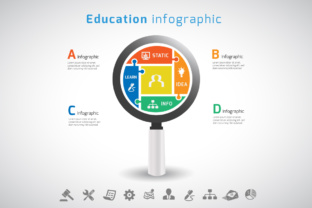
The Magnifying Glass Puzzle Infographic is more than a design template—it’s a flexible visual tool for creators, educators, and marketers who want to communicate ideas with clarity and creativity. Built with 100% editable vector AI and EPS files, this infographic allows complete customization, from layout and color to text and scale. Whether you're designing a poster, a presentation slide, or a mobile graphic, this resource adapts effortlessly to your needs while maintaining professional quality.
What Makes It Stand Out?
Unlike static images or rigid templates, the Magnifying Glass Puzzle Infographic gives you full control over every element. The magnifying glass can be positioned to highlight specific details in a visual puzzle, making it ideal for educational content, mystery-themed marketing, or interactive learning materials. The puzzle aspect invites engagement, while the magnifying glass adds a layer of discovery—perfect for audiences who appreciate visual storytelling with a touch of intrigue.
Because it’s built in vector format, you can scale it to any size without losing clarity. This makes it suitable for both print and digital use, from large-format posters to responsive web graphics. The editable text ensures you can tailor messaging to your brand voice or project requirements, and the compatibility with Adobe Illustrator and other vector editors means you can integrate it smoothly into your existing workflow.
Creative Applications Across Industries
This versatile design concept can be adapted in countless ways. Here are a few practical uses across different fields:
- Educators can use it to create interactive quizzes or visual lessons where students “discover” answers under the magnifying glass.
- Marketers might design mystery-themed campaigns where users click or swipe to reveal hidden content.
- Bloggers can enhance infographics with visual clues that lead readers to deeper content or external resources.
- Designers can incorporate it into branding materials to add a unique visual hook or narrative layer.
Project Ideas to Inspire Your Next Design
Here are some hands-on ways to bring this concept to life:
- Interactive Learning Modules: Use the magnifying glass to reveal definitions, translations, or explanations in educational infographics.
- Product Comparison Charts: Let users “zoom in” on specific features of different products to compare details visually.
- Historical Timeline Infographic: Hide lesser-known facts or images beneath the magnifier to add depth without cluttering the main design.
- Travel Destination Guide: Highlight landmarks or hidden gems in a city map with the magnifying glass effect.
- Health & Wellness Tips: Use the puzzle format to engage users in identifying healthy habits or spotting misleading claims.
Customizing for Different Platforms and Audiences
One of the strengths of the Magnifying Glass Puzzle Infographic is its adaptability. Here’s how different users can tailor it for specific purposes:
- Print Designers: Resize the vector files for posters, brochures, or flyers. The crisp lines and editable text ensure your print materials look sharp and professional.
- Web Developers: Use SVG exports for responsive web graphics. The scalable nature of vector files ensures your visuals look great on any screen size.
- Presenters: Integrate the design into PowerPoint templates to create engaging slides that visually guide your audience through a concept or process.
- Social Media Managers: Repurpose the infographic into carousel posts or stories that invite interaction, such as guessing what’s under the magnifier before revealing it.
Styling and Variations
While the base design offers a clean, puzzle-based structure, you can customize it to match your brand’s visual identity. Consider these stylistic approaches:
- Minimalist: Use a limited color palette and clean lines for a modern, professional look.
- Vintage: Add texture overlays and sepia tones for a retro detective theme.
- High-Contrast: Bold colors and sharp lines make the design pop on both digital and print formats.
- Hand-Drawn: Convert the vector shapes into a sketch-style look for a more approachable, human feel.
Best Practices for Effective Use
To ensure your use of the Magnifying Glass Puzzle Infographic delivers both visual appeal and clear communication, follow these practical tips:
- Keep the layout balanced: Avoid overcrowding the design. Let the magnifying glass serve as a focal point rather than a distraction.
- Use consistent fonts: Stick to one or two typefaces that align with your brand or project tone.
- Guide the viewer’s eye: Position the magnifying glass to naturally draw attention to the most important part of the puzzle.
- Test for clarity: Preview your design at different sizes and on various devices to ensure readability and impact.
- Edit text carefully: Since all text is editable, double-check spelling and formatting before finalizing your file.
Getting Started with Vector Editing
If you’re new to working with AI or EPS files, don’t be intimidated. Adobe Illustrator is the most common tool for editing vector graphics, but there are also open-source alternatives like Inkscape that support EPS and AI formats. Once you open the file, you’ll find each element—shapes, icons, and text—separated and easy to modify. Remember to download and install any required fonts before opening the file to avoid formatting issues.
Why This Infographic Template Stands Out
Many infographics focus on data visualization or process diagrams, but the Magnifying Glass Puzzle Infographic introduces a narrative and interactive dimension. It’s not just about showing information—it’s about inviting the viewer to explore, discover, and engage. This makes it especially effective for audiences that respond to curiosity-driven content or visual problem-solving.
Whether you're creating marketing assets, educational tools, or creative presentations, this template gives you the flexibility to build something unique while maintaining a professional finish. Its combination of visual storytelling and technical adaptability makes it a valuable addition to any designer’s toolkit.